



Source: Dr. Marketing
The holiday season comes with plenty of things to remember, from family gatherings and travel plans to last-minute shopping. Somewhere between all those preparations, your dental insurance benefits might be the last thing on your mind.
But what if you still have coverage available for dental care you have been putting off?
For many patients, the end of the year means their dental insurance benefits are approaching their renewal date. Depending on the plan, unused annual coverage may not carry forward into the next benefit period. That makes the final months of the year a useful time to revisit your dental health, especially if you have postponed a cleaning, delayed a recommended treatment, or simply have not visited the dentist recently.
At
Trafalgar Dental Oakville, we encourage patients in Oakville, Ontario, Canada to make informed decisions about their dental care while understanding how their insurance benefits may help.
That Dental Treatment You Have Been Postponing? Now Is a Good Time to Revisit It

Perhaps our team recommended a crown several months ago, but you decided to wait. Maybe you have been meaning to schedule a dental cleaning, or you have noticed occasional tooth sensitivity that has not seemed urgent enough to address.
These situations are common, especially when daily responsibilities take priority. However, dental problems do not always remain unchanged while you wait.
A small cavity may gradually become larger. A cracked tooth can become more vulnerable to further damage, and untreated gum inflammation may progress into periodontal disease. If you have remaining dental insurance benefits, this may be an opportunity to revisit those concerns before your coverage renews. The goal is not to schedule unnecessary procedures simply because benefits are available. It is to address dental needs that already deserve attention.
Which Dental Treatments Could You Use Your Remaining Benefits For?

Dental insurance coverage varies, but several common services may qualify for reimbursement depending on your plan.
Dental Cleanings and Examinations
If you are overdue for a routine dental visit, preventive care is a practical place to start. Professional cleanings remove plaque and tartar that daily brushing and flossing cannot fully eliminate. Dental examinations also allow our team to assess your gums, check existing restorations, and identify early signs of decay.
Many plans include preventive dental coverage, although the number of eligible visits and reimbursement amounts vary.
Fillings, Crowns, and Bridges
A damaged or decayed tooth may require restorative treatment to maintain its function and prevent further complications. Dental fillings address cavities, while crowns can help restore teeth with more extensive structural damage. Bridges may be recommended to replace certain missing teeth.
If you have already received a treatment recommendation, reviewing your remaining insurance coverage may help you understand the financial considerations involved.
Root Canal Treatment
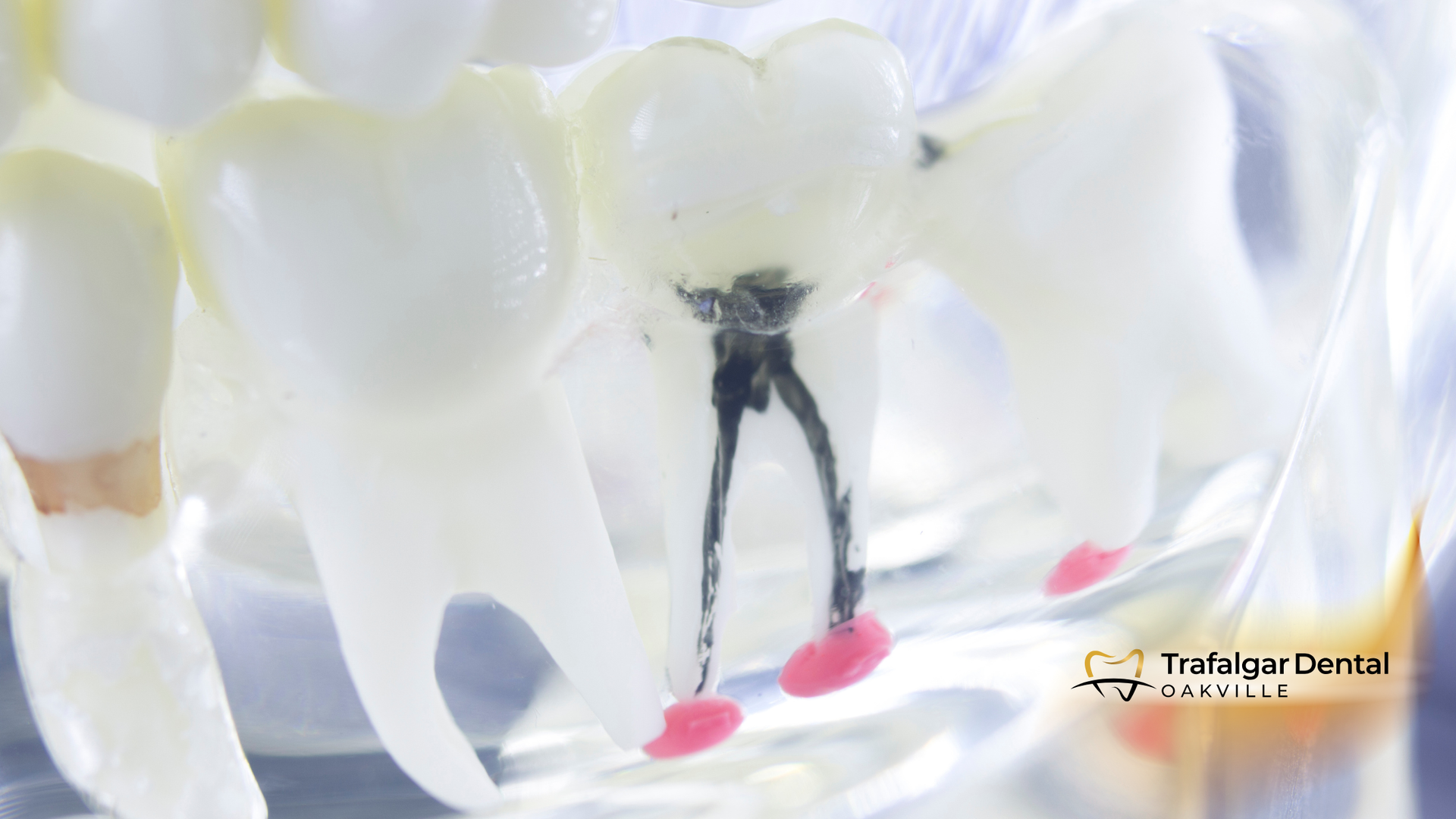
A tooth with infected or irreversibly inflamed pulp may require root canal therapy. This treatment removes the affected tissue from inside the tooth and helps preserve the natural tooth when it can be successfully restored.
If you have persistent tooth pain, swelling, or lingering sensitivity, do not delay an evaluation simply to coordinate insurance benefits. Dental infections can worsen and may require prompt care.
Periodontal Treatment
Bleeding gums, gum recession, and persistent bad breath may indicate periodontal concerns. Patients with periodontitis sometimes require scaling and root planing to remove bacterial deposits beneath the gumline.
Some insurance plans provide coverage for periodontal procedures when clinically necessary.
Custom Night Guards
If you grind or clench your teeth, a custom night guard may help protect them from excessive wear. Certain plans include benefits for oral appliances, although coverage depends on the diagnosis and specific policy.

Could Waiting Until January Actually Make More Sense?
Not every dental procedure needs to be completed before December 31. For patients considering extensive restorative treatment, the timing of appointments may influence how insurance benefits are applied.
Imagine you need several crowns, but your remaining annual coverage will only contribute toward part of the recommended treatment. Depending on your dental needs and insurance rules, our team may be able to plan certain procedures across two benefit periods. This could allow you to access available coverage during the current year and additional benefits after your plan renews.
However, there are important limitations.
Some treatments cannot safely be postponed, while others must be completed within specific timeframes. Insurance reimbursement may also depend on when a procedure is completed rather than when treatment begins. A treatment plan should always prioritize your oral health, with insurance considerations helping guide scheduling where clinically appropriate.
The Insurance Detail Many Patients Overlook

Having unused dental benefits does not necessarily mean your next procedure will be fully covered. Most dental insurance plans have an annual maximum, which limits how much the insurer contributes toward eligible services during a benefit period. For example, a plan with a $1,500 annual maximum may have $600 remaining after previous claims. That remaining amount is not automatically available for every procedure.
Your insurer may cover only a percentage of the treatment cost, and deductibles, exclusions, frequency limits, or other restrictions may apply. Another detail worth checking is your renewal date.
Although many dental plans follow the calendar year, others renew according to an employer's benefits schedule. Before assuming your coverage expires on December 31, confirm the dates and conditions of your specific plan.

What About Dental Care That Is Not Covered by Insurance?
Some treatments may have limited coverage or may not qualify for reimbursement at all. Cosmetic procedures, such as teeth whitening and veneers performed solely to improve appearance, are generally excluded from standard dental insurance coverage.
Other services, including dental implants, orthodontic treatment, and certain oral appliances, may have specific eligibility requirements. If you have access to a health spending account through your employer, some eligible dental expenses may qualify for reimbursement under that arrangement. It is worth reviewing these options before making treatment decisions, but coverage should never be assumed without confirmation.
A Better Way to Approach Your Year-End Dental Appointment
Instead of trying to use every remaining dollar of insurance coverage, consider what your oral health actually needs. If you have not visited the dentist recently, an examination can help establish whether any concerns require attention.
If treatment has already been recommended, ask whether it should be completed soon or whether scheduling flexibility exists. And if you are unsure about your insurance, gather your plan information before the appointment so you can discuss estimated costs and potential reimbursement.
You can also ask your insurance provider about predetermination or preauthorization requirements for more extensive procedures. Planning ahead is particularly helpful during the holiday season, when appointment availability may become limited. Even if you do not need immediate treatment, understanding your oral health and coverage can make future dental decisions easier.
Do Not Let the Calendar Decide Your Dental Health

Year-end dental insurance planning is about more than using benefits before they reset. It is an opportunity to address concerns you may have postponed, maintain preventive care, and make thoughtful decisions about upcoming dental treatment.
Whether you need a routine cleaning, have questions about a previously recommended procedure, or want to understand your remaining coverage, taking action before the year ends can help you prepare for the months ahead. At
Trafalgar Dental Oakville, we provide personalized dental care for patients in Oakville, Ontario, Canada, helping individuals and families understand their treatment needs and available options.
Have dental insurance benefits remaining this year? Contact
Trafalgar Dental Oakville to schedule your appointment and discuss your dental care needs before the end of your benefit period.