
Root Canal Treatment In Oakville
Save Your Natural Tooth with Comfortable, Personalized Root Canal Care
Why Choose Trafalgar Dental for Your Root Canal Treatment?
At Trafalgar Dental Oakville, we provide root canal treatment in Oakville to relieve tooth pain, address infection, and help preserve natural teeth whenever possible. If you have persistent pain, sensitivity, swelling, or signs of an infected tooth, our dentists can examine the area and determine whether root canal therapy is appropriate.
Using modern diagnostic and treatment techniques, we provide personalized infected tooth treatment focused on removing infection, relieving discomfort, and restoring the function of the affected tooth.
Step-by-Step Guide to Our Root Canal Procedure
A root canal procedure treats infection or inflammation inside a tooth and may help save a tooth that might otherwise require extraction. Here's what you can generally expect during root canal therapy:
List of Services
-
Initial Consultation and ExaminationItem Link List Item 1
We begin with a comprehensive assessment using X-rays and diagnostic tools to evaluate the condition of the affected tooth accurately.
-
Local AnesthesiaItem Link List Item 2
A numbing agent is applied to ensure the procedure is entirely pain-free and comfortable.
-
Accessing the ToothItem Link List Item 3
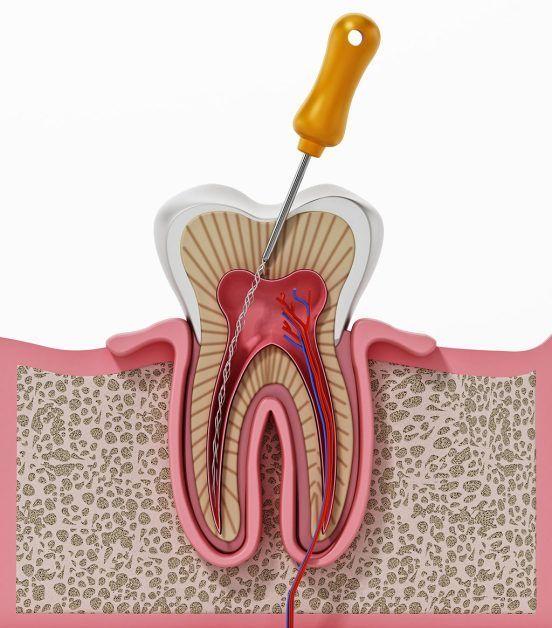
A small opening is created in the tooth to access the infected pulp chamber and root canals.
-
Removing Infected PulpItem Link List Item 4
Using advanced tools, we carefully remove the infected or inflamed pulp, thoroughly cleaning the canals.
-
Cleaning and ShapingItem Link
The root canals are cleaned, shaped, and disinfected to remove bacteria and prevent future infection.
-
Filling the CanalsItem Link
The canals are filled with gutta-percha, a biocompatible material, and sealed with adhesive cement for stability.
-
Restoring the ToothItem Link
A custom crown or filling is placed to restore the tooth’s function and natural appearance, completing the treatment.
Step-by-Step Guide to Our Root Canal Procedure
Root canal treatment is a highly effective solution to address tooth infection or inflammation, avoiding the need for extraction. Here’s what you can expect:
List of Services
-
Initial Consultation and ExaminationItem Link List Item 1
We begin with a comprehensive assessment using X-rays and diagnostic tools to evaluate the condition of the affected tooth accurately.
-
Local AnesthesiaItem Link List Item 2
A numbing agent is applied to ensure the procedure is entirely pain-free and comfortable.
-
Accessing the ToothItem Link List Item 3
A small opening is created in the tooth to access the infected pulp chamber and root canals.
-
Removing Infected PulpItem Link List Item 4
Using specialized tools, we carefully remove the infected or inflamed pulp, thoroughly cleaning the canals.
-
Cleaning and ShapingItem Link
The root canals are cleaned, shaped, and disinfected to remove bacteria and prevent future infection.
-
Filling the CanalsItem Link
The canals are filled with gutta-percha, a biocompatible material, and sealed with adhesive cement for stability.
-
Restoring the ToothItem Link
A custom crown or filling is placed to restore the tooth’s function and natural appearance, completing the treatment.
Symptoms Indicating You May Need a Root Canal
Wondering how to know if you need a root canal? Symptoms of an infected or damaged tooth can include:
- Persistent tooth pain
- Sensitivity to hot or cold that lingers
- Swollen or sore gums
- Tooth discoloration
- Dental abscess or pus
- Bad breath or a foul taste
- Loose tooth
These symptoms do not always mean you need a root canal. An examination is necessary to determine the cause and recommend appropriate tooth infection treatment.
If you are experiencing significant pain or swelling and need an infected tooth dentist, contact Trafalgar Dental Oakville for an assessment.

How Long Does a Root Canal Take?
The procedure typically lasts 60 to 90 minutes, depending on:
- The complexity of the tooth
- The extent of the infection
- Whether additional appointments are needed for restoration
Root Canal Recovery Time
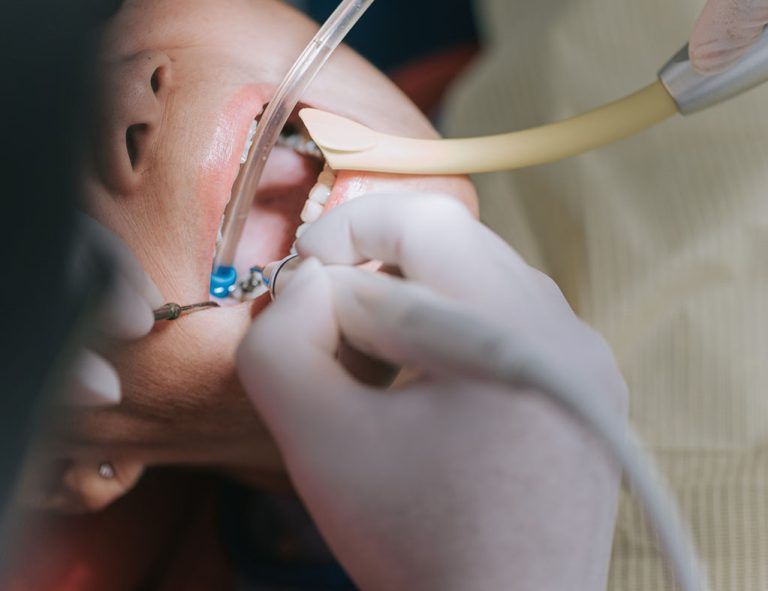
After root canal therapy, the treated area may feel tender or sensitive for several days. This usually improves as the tissues surrounding the tooth heal.
Follow the aftercare instructions provided by your dentist, maintain good oral hygiene, and avoid chewing heavily on the treated tooth until advised otherwise. If a crown or other final restoration is recommended, completing that treatment can help protect the tooth over the long term.
Contact the clinic if you experience significant swelling, severe or worsening pain, or other symptoms that concern you after treatment.
Benefits of Root Canal Treatment
Root canal therapy offers several advantages:
- Pain relief and infection control
- Preservation of the natural tooth
- Prevention of further complications
- Maintenance of jawbone integrity
- Improved overall oral health
For patients experiencing tooth infection or persistent pain, a root canal for tooth pain may help preserve the affected tooth while addressing the underlying problem.
Frequently Asked Questions (FAQ) About Root Canal
Browse answers to common questions about root canal treatment in Oakville, tooth infections, treatment, and recovery.
What is a root canal?
A root canal is a dental procedure used to treat infection or inflammation within the pulp of a tooth. During treatment, the damaged or infected tissue is removed, the canals are cleaned and disinfected, and the space is filled and sealed. The tooth is then restored to help protect it and maintain function.
What happens during a root canal?
During a root canal procedure, the dentist numbs the treatment area, creates an opening in the tooth, removes infected or inflamed pulp, and cleans and shapes the root canals. The canals are then filled and sealed. A filling or crown may be used afterward to restore and protect the tooth.
How does a root canal work?
Root canal therapy works by removing infected or damaged tissue from inside the tooth and cleaning the root canal system. Sealing the canals helps prevent bacteria from re-entering, while the final restoration helps protect the remaining tooth structure.
Does a root canal hurt?
Local anesthesia is used to numb the area during treatment, so most patients should feel pressure rather than significant pain during the procedure. Some tenderness or sensitivity can occur afterward and generally improves as the area heals.
How do I know if I need a root canal?
Persistent tooth pain, prolonged sensitivity, swelling, pain when biting, tooth discolouration, or an abscess can indicate a problem with the pulp inside a tooth. Only a dental examination and appropriate diagnostic imaging can determine whether you need root canal treatment.
Can a root canal save an infected tooth?
In many cases, yes. Root canal therapy is designed to remove infection from inside the tooth while preserving as much of the natural tooth as possible. Whether an infected tooth can be saved depends on the extent of infection, damage, and remaining tooth structure.
Ready to Save Your Tooth and Relieve Pain?
Looking for a root canal dentist in Oakville or wondering where to get a root canal in Oakville? Contact Trafalgar Dental Oakville for an assessment. We can determine the cause of your tooth pain or infection and recommend appropriate treatment to help protect your oral health.
