
Tooth Extractions
In Oakville
Comfortable and Affordable Tooth Extractions at Trafalgar Dental Oakville
How Can a Damaged Tooth Impact Your Oral Health?
A severely damaged or infected tooth can affect more than your comfort. Without appropriate treatment, infection or structural damage may contribute to swelling, gum problems, difficulty chewing, and complications involving the surrounding teeth and bone.
At Trafalgar Dental Oakville, we aim to preserve natural teeth whenever possible. When a tooth cannot be predictably restored, however, a tooth extraction in Oakville may be recommended to address the problem and protect your oral health.

Stress-Free Tooth Extractions for Better Oral Health
If you are nervous about having a tooth removed, our team will explain what to expect and help keep you comfortable throughout your appointment. We provide both routine and surgical tooth extraction procedures based on the condition and location of the affected tooth.
Before a dental extraction, the treatment area is numbed with local anesthesia. Your dentist will then carefully remove the tooth and provide personalized aftercare instructions to support healing.

Your Trusted Choice for Tooth Extractions and Restorations
When possible, our dentists explore options for preserving a natural tooth before recommending removal. If extraction is appropriate, we can also discuss options for replacing the missing tooth, including dental bridges and dental implants when suitable.
If you are searching for a dentist for tooth extraction in Oakville, our team can assess the damaged tooth, explain your treatment options, and determine whether extraction is necessary.

Signs You May Need a Tooth Extraction
When does a tooth need to be extracted? A dentist may recommend tooth removal when a tooth cannot be adequately restored or when leaving it in place could cause additional oral health problems.
Possible reasons include:
- Severe tooth decay or structural damage
- A badly broken or fractured tooth
- Advanced gum disease resulting in a loose tooth
- Significant tooth infection
- Overcrowding
- Impacted teeth
- Certain dental emergencies
- A tooth that cannot be predictably restored
If you need a dentist near you for a badly damaged tooth, an examination can determine whether the tooth can be repaired or whether removal is appropriate.
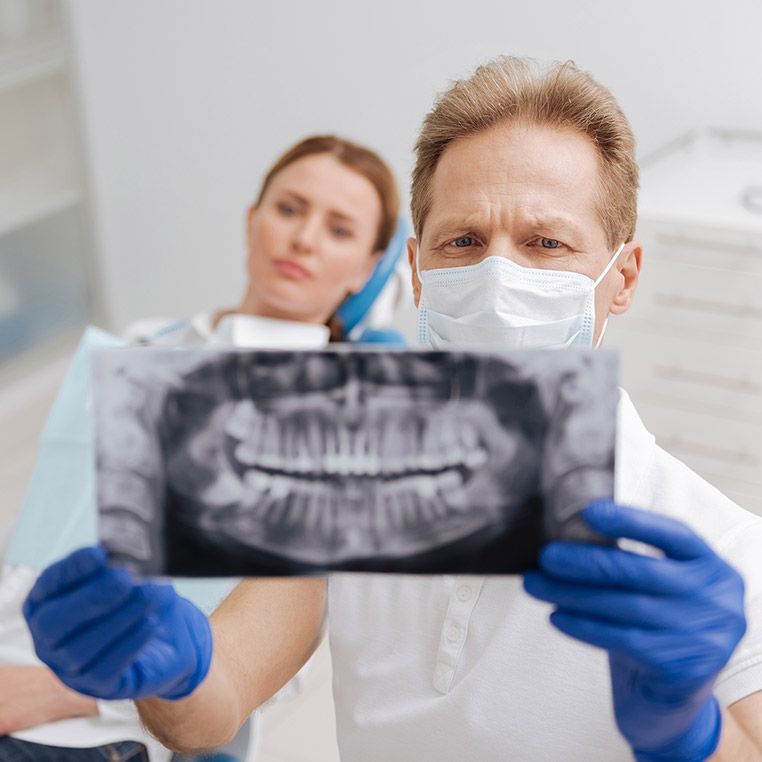
Why Remove Wisdom Teeth?
Wisdom teeth can often cause problems, such as overcrowding, infection, or gum inflammation. Removing these teeth early can prevent long-term complications. Our team at Trafalgar Dental ensures a safe and comfortable wisdom tooth removal experience.
Common Reasons for Tooth Extraction:
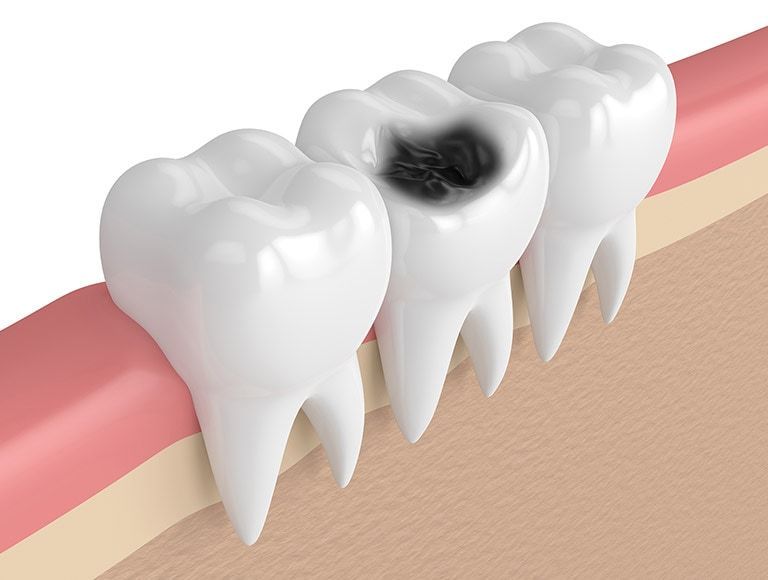
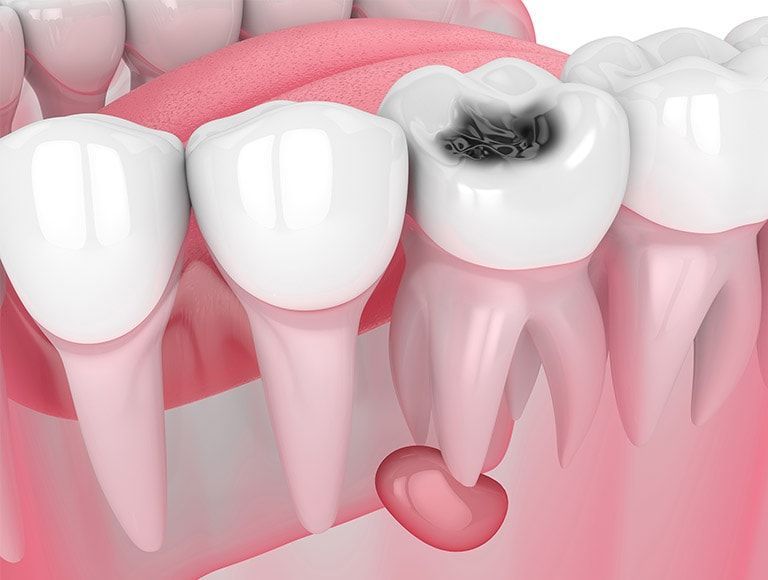
Risk of Infection
Deep decay, cracks, trauma, or other damage can allow bacteria to reach the inner portion of a tooth. Depending on its condition, the tooth may be treatable with restorative care or root canal therapy.
When the tooth is too severely damaged or infected to save, an infected tooth extraction may be recommended. Removing the affected tooth can eliminate the source of infection, after which your dentist can discuss appropriate options for replacing the missing tooth.
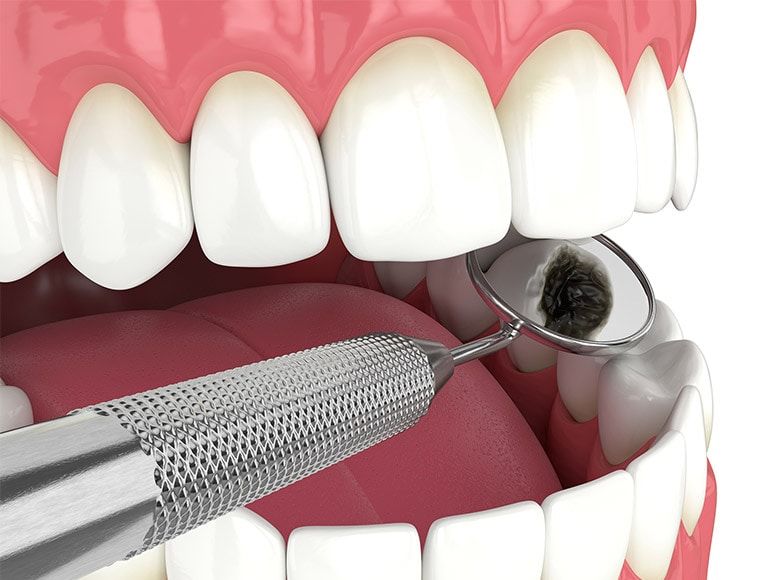
Pulp Infection
When the pulp inside a tooth becomes infected or inflamed, it can cause significant pain, sensitivity, swelling, or other symptoms. Root canal treatment can often preserve an infected tooth, but extraction may be necessary when the tooth cannot be predictably restored.
If you are wondering where to get an infected tooth removed, Trafalgar Dental Oakville can assess the tooth and recommend treatment based on the extent of infection and damage.
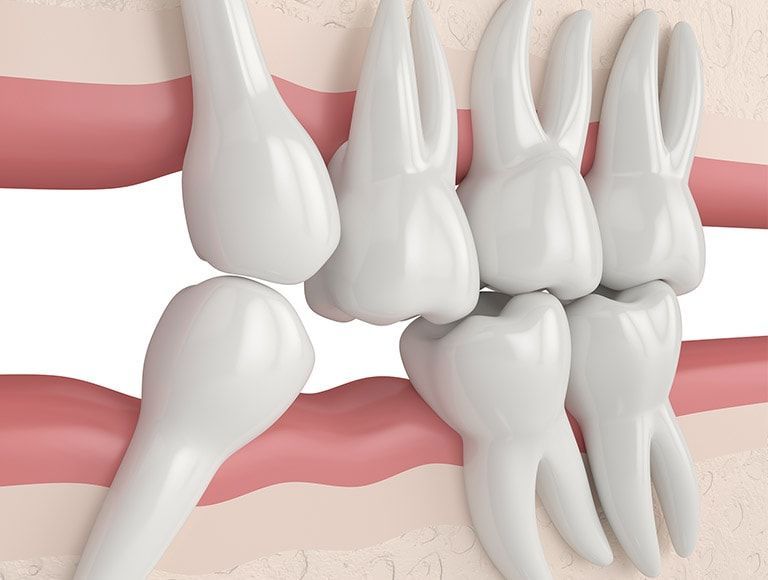
Impacted Tooth/Crowding
Impacted teeth, especially wisdom teeth, occur when there isn’t enough room in the jaw for them to emerge properly. They may remain trapped in the gums or jawbone, pushing against neighboring teeth and causing misalignment, pain, or infection. Overcrowded teeth can also interfere with proper chewing, brushing, and flossing, leading to decay or gum disease. Extracting impacted or overcrowded teeth can create the space necessary for a healthier smile. For patients undergoing orthodontic treatment, extractions may also be recommended to help align the teeth effectively.
Gum Disease
Gum disease, particularly in its advanced stages (periodontitis), can weaken the supporting structures of your teeth, causing them to loosen. This condition not only threatens the affected teeth but can also jeopardize the stability of adjacent teeth and the overall health of your gums and jawbone. If a tooth becomes too compromised to save, extraction may be the most effective way to prevent further deterioration. By removing the source of the problem, our dentists can help halt the progression of gum disease and focus on restoring the health of your remaining teeth and gums through targeted treatments like deep cleaning or periodontal therapy.
Types of Tooth Extraction at Trafalgar Dental Oakville
At Trafalgar Dental, our dentists ensure a painless tooth extraction process by numbing the area, carefully removing the tooth, and providing gauze to control bleeding. Dissolvable stitches may be used if necessary, and you'll receive clear aftercare instructions for a smooth recovery.
Here are the two main types of tooth extraction and how they are performed:
Simple Tooth Extraction
Tooth pain due to infection, disease, or trauma can stem from either the inner molars or the more visible teeth. When it happens to the visible teeth, simple tooth extraction is the type of procedure needed to remedy the situation. Simple tooth extraction is just as the name implies, a simple way of pulling on the visibly accessible tooth until it slips out.
Surgical Tooth Extraction
A surgical tooth extraction may be necessary when a tooth is broken below the gumline, impacted, or otherwise difficult to access. The procedure may involve making a small opening in the gum or dividing the tooth into sections to allow for careful removal. Your dentist will explain the recommended approach after examining the tooth.
What to Do After a Tooth Extraction
Following your tooth extraction, your dentist will provide personalized instructions for protecting the extraction site and supporting healing.
Post-Extraction Care: Foods to Eat After a Tooth Extraction
Wondering what you should eat after tooth extraction? During the initial recovery period, choose soft foods that require minimal chewing. Options may include yogurt, applesauce, mashed potatoes, eggs, soup that has cooled to a safe temperature, and other soft foods.
Gradually return to your usual diet as the extraction site heals and you feel comfortable. Avoid hard, crunchy, sticky, or very hot foods if they could irritate the area.

Drink Guidelines After a Tooth Extraction
Drink plenty of water after your extraction, but follow the specific instructions provided by your dentist. Avoid using a straw during the early healing period because suction can disturb the blood clot protecting the extraction site.
Your dentist may also recommend temporarily avoiding alcohol and very hot beverages while the area begins to heal.

Recovery Timeline: How Long Does It Take to Heal?
Initial healing after a tooth extraction generally occurs over the first one to two weeks, although complete healing of the underlying tissues and bone takes longer. Recovery varies depending on whether you had a simple or surgical extraction, the location of the tooth, and your overall health.
Contact Trafalgar Dental Oakville if you experience worsening pain, persistent or heavy bleeding, increasing swelling, fever, or other symptoms that concern you.

Emergency Tooth Extractions at Trafalgar Dental
An emergency tooth extraction may be necessary when severe infection, trauma, or extensive damage means a tooth cannot be safely or predictably preserved.
Situations that may require urgent assessment include:
- Severely Infected or Abscessed Tooth:
An infection can cause significant pain, swelling, or an abscess. Depending on the tooth's condition, urgent treatment may involve root canal therapy, drainage, extraction, or another appropriate procedure.
- Broken or Traumatized Tooth: A severely fractured or damaged tooth may require urgent treatment, particularly if there is uncontrolled bleeding, significant pain, or damage extending below the gumline.
If you believe you need an emergency tooth extraction in Oakville, contact Trafalgar Dental as soon as possible for an assessment.
Emergency Tooth Extractions at Trafalgar Dental
In some situations, an emergency tooth extraction may be necessary to address severe dental issues:
- Abscessed Tooth: A bacterial infection resulting in a painful pocket of pus that can cause serious complications if untreated. Immediate extraction can prevent the infection from spreading.
- Tooth Trauma or Hemorrhage: If a tooth has been partially dislodged or is bleeding uncontrollably due to an accident or injury, urgent extraction is required to manage the situation and prevent further complications.
At Trafalgar Dental in Oakville, we specialize in providing prompt and effective emergency tooth extraction services. If you need urgent dental care, don’t hesitate to reach out to us.
Frequently Asked Questions (FAQ) About Tooth Extractions
Find answers to common questions about tooth extraction in Oakville, the procedure, recovery, and aftercare.
How much does tooth extraction cost?
The tooth extraction cost depends on whether you need a simple or surgical extraction, the location and condition of the tooth, diagnostic imaging requirements, and other factors involved in your treatment.
Because each case is different, an examination is the most reliable way to determine your expected cost. Trafalgar Dental Oakville can review treatment fees, insurance coverage, and available payment options with you before your procedure.
I recommend replacing the existing "$150-$300 with insurance" and "$200-$600+ without insurance" wording unless those figures have been specifically confirmed by the clinic. Insurance does not normally determine the procedure's underlying fee in the way that wording suggests.
How long does tooth extraction take?
A straightforward extraction may take only a relatively short time once treatment begins, while a surgical tooth extraction can take longer. The total appointment also includes examination, anesthesia, preparation, and post-treatment instructions. Your dentist can provide a more specific estimate after evaluating the tooth.
Does tooth extraction hurt?
Local anesthesia is used to numb the treatment area before the tooth is removed. You may notice pressure or movement during the procedure. Some soreness and tenderness are common afterward and should gradually improve as the area heals.
What can I eat after tooth extraction?
Choose soft foods during the initial healing period, such as yogurt, applesauce, eggs, mashed potatoes, and appropriately cooled soup. Avoid foods that are hard, crunchy, sticky, or likely to disturb the extraction site. Gradually return to your normal diet as advised by your dentist.
When can I brush after tooth extraction?
You can generally continue cleaning the rest of your mouth after an extraction, but you should avoid directly brushing or disturbing the extraction site during the initial healing period. Follow the specific oral hygiene instructions provided by your dentist, as recommendations can vary depending on the procedure.
How long does tooth extraction pain last?
Some soreness is expected after a dental extraction and generally improves over the following several days. Surgical or more complex extractions may require a longer recovery. Contact your dentist if pain becomes significantly worse rather than improving, particularly several days after the procedure.
Schedule Your Tooth Extraction Appointment Today
Looking for a tooth extraction dentist in Oakville, tooth removal near you, or treatment for a badly damaged or infected tooth? Contact Trafalgar Dental Oakville for an assessment. Our team will determine whether the tooth can be preserved or whether a dental extraction is the appropriate treatment.
